
PRP
Platelet Rich Plasma
Restore And Retain With Platelet Rich Plasma
PRP (Platelet‑Rich Plasma) Therapy
At Prime Hair Clinic, we specialize in advanced PRP Therapy solutions tailored to your unique hair restoration goals. Whether you are experiencing early stages of hair thinning or looking to enhance your existing hair, our Calgary-based team provides expert care focused on non-surgical, natural hair growth results.
PRP therapy is an option for stimulating hair growth, strengthening hair follicles, and improving density in cases of early to moderate hair loss. At our Calgary clinic, we utilize the latest enrichment systems and delivery protocols to ensure that you receive the safest and most effective treatment available.
Led by board-certified physicians and experienced specialists, Prime Hair Clinic takes a personalized and transparent approach to every patient's journey. From your initial consultation through post-treatment monitoring, you will be supported by a team that truly understands the emotional and physical impact of hair loss.
We proudly serve patients from Calgary, Edmonton, and across Alberta who are seeking a local, expert alternative for hair restoration rather than travelling overseas. Our clinic combines regenerative therapy, medical aesthetics, and scalp health solutions under one roof.
How Does PRP Hair Restoration Work?
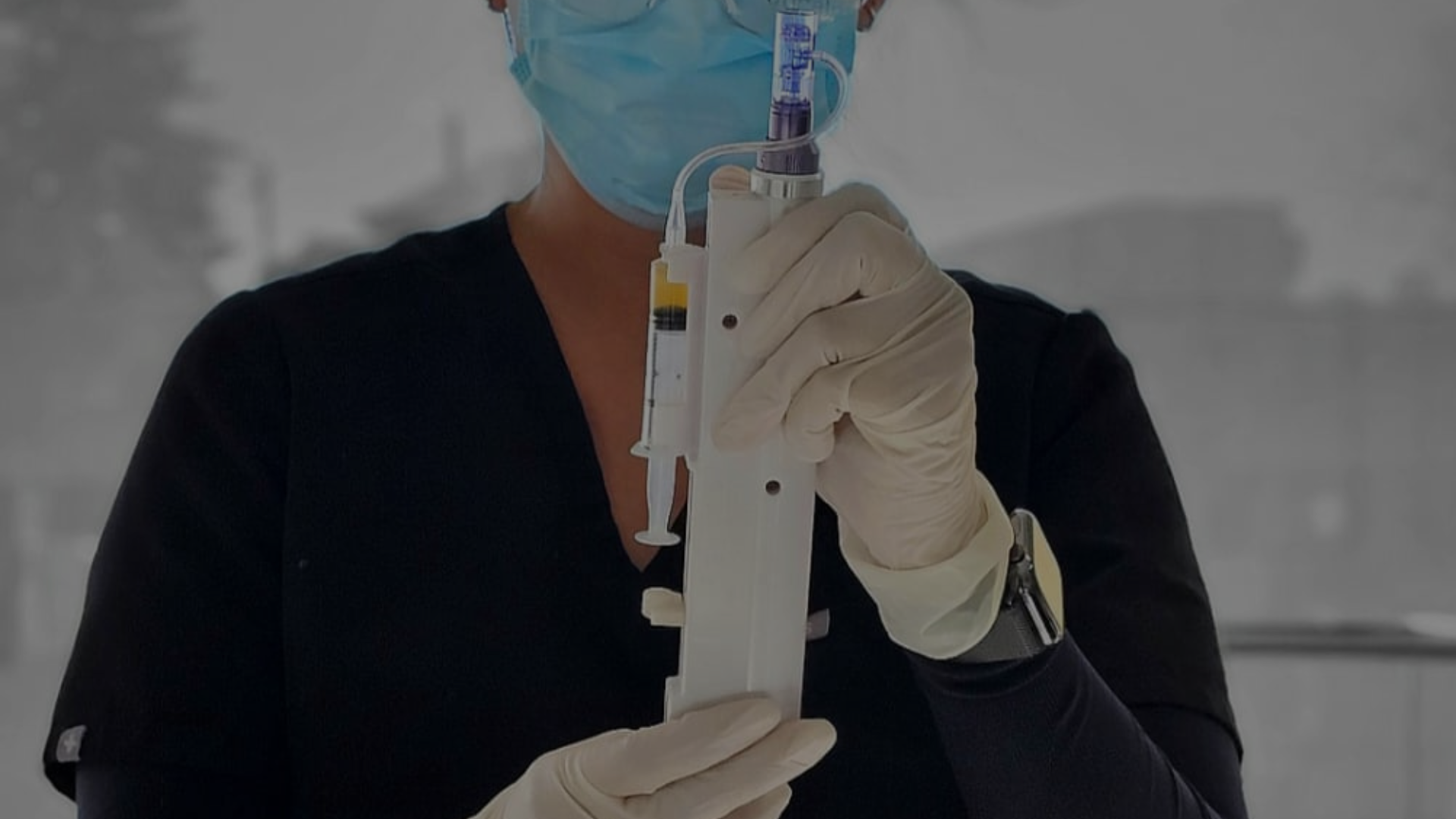
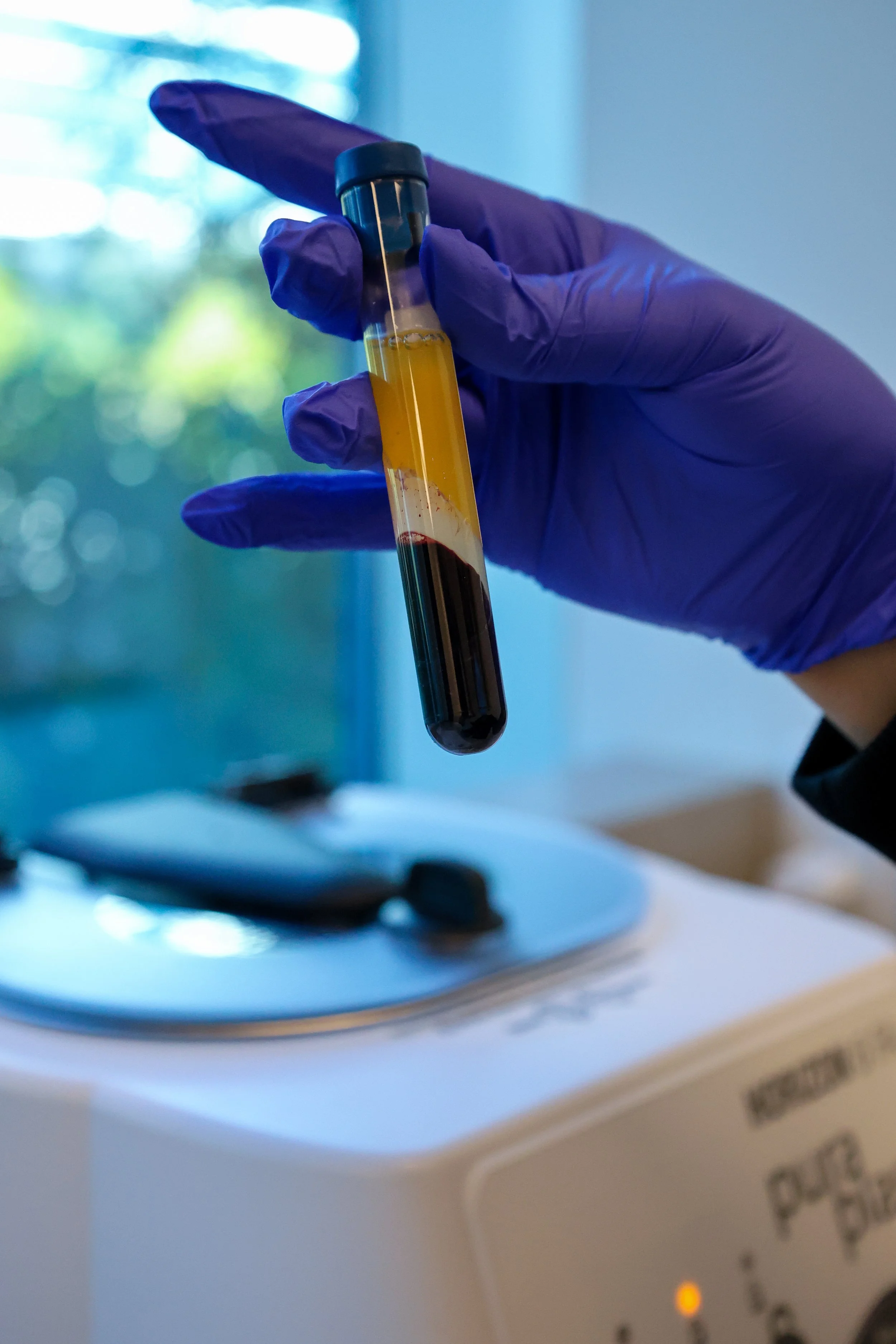
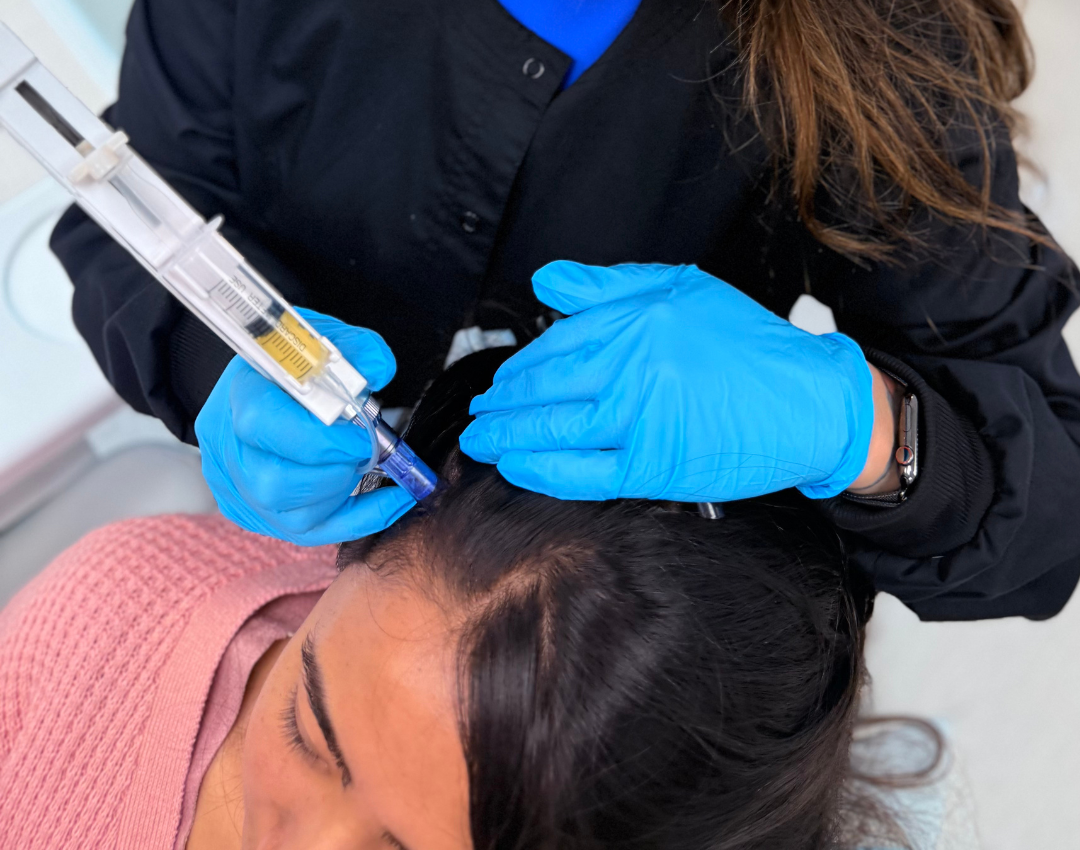
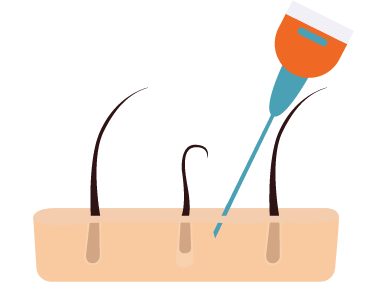
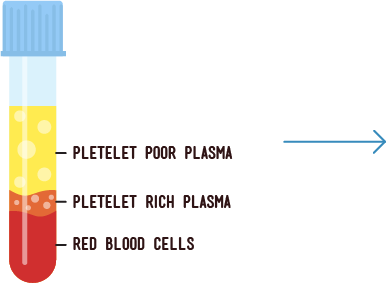
Platelet Rich Plasma (PRP) is a new non-surgical therapy for hair restoration that involves small injections of your own concentrated blood to stimulate hair growth. Your blood is collected into specially formulated vials and then spun in a centrifuge, which separates the blood into its various components.
A specific layer called platelet-rich plasma (PRP) is isolated from the rest of the blood. This platelet-rich plasma is then injected back into the areas of concern in your scalp.

Who can benefit from PRP?
PRP isn’t a one-size-fits-all solution, but for the right candidates, it provides a compelling non-surgical hair restoration option. Here’s who may benefit:
- Men and women experiencing early to moderate hair thinning. If you notice gradual thinning or receding areas (rather than complete baldness), PRP can help strengthen and reactivate follicles.
- Those seeking non-invasive alternatives or wishing to complement other treatments. If you prefer to avoid surgery for now or want to optimize treatments like medications, microneedling, or laser therapy, PRP is a good fit.
- Ideal when follicles are still present. The treatment works best when hair follicles are miniaturized but not wholly lost. Advanced baldness with no viable follicles may respond less effectively.
- Individuals in good overall health with realistic expectations. Because results take time, and involve multiple sessions and maintenance, patience and commitment are essential.
- Those looking for natural, low-risk treatment. Since PRP uses your own blood and has a favourable safety profile, it's an excellent choice for someone prioritizing natural body approaches.
Your Questions Answered
-
Platelet Rich Plasma (PRP) is used to stimulate and nourish follicles for hair growth. Highly concentrated plasma contains platelets and growth factors; these growth factors have been shown to generate new hair and improve the density and health of your existing hair.
-
There is no activity restriction after a PRP treatment. Patients may shower/shampoo/condition their hair several hours after the treatment and resume normal daily and athletic activities. Some brief mild inflammation noticeable as redness/pinkness and numbness of the scalp may be present for several hours. No harsh chemical coloring or perming treatments should be performed for at least 72 hours. Use of topical hair growth treatments like Minoxidil or similar can resume the next day. Laser therapy treatments can also be resumed the next day.
-
PRP is a comfortable, in-office, non-surgical procedure that takes about an hour start-to- finish, and most of that time is spent in the preparation phase… meaning you, the patient, are just relaxing! Most patients notice a brief period of inflammation during which their scalp remains somewhat pink and numb for a few hours. Swelling is rare (about 15% of the time) and if it occurs is noticeable in the forehead or around the eye area on the next day. Any swelling takes about a day or two to resolve.
Hair growth improvements can typically be measured in about three months, but it takes six to twelve months to visually “see” the difference in photos and in the mirror. Patients with certain blood disorders or on certain medications may not be candidates for PRP treatments. PRP is immunologically neutral and poses little risk of allergy, hypersensitivity or foreign-body reactions.
-
As PRP is still an emerging science, there is no consensus on the optimal treatment schedule. Expert opinion dictates that initially 3 treatments may be needed, spaced 1-2 months apart. Once you have had your first series of treatments, you should plan to have PRP every 6-12 months for maintenance. There is potential that additives to the PRP solution may be able to extend its benefits for a longer duration.